Minimalist IAS
CSAT

CSAT ┬╖ 58 questions

Data interpretation & sufficiency

Every UPSC CSAT question on this topic, 2016тАУ2026, newest first. Tap an option to check yourself; the answer and explanation open below it.

Data interpretation & sufficiency questions per year: 2016: 0, 2017: 1, 2018: 13, 2019: 0, 2020: 6, 2021: 5, 2022: 7, 2023: 5, 2024: 10, 2025: 5, 2026: 6 Asked in 9 of 11 years ┬╖ most in 2018 (13)
Timed ┬╖ 30 minutes a set Practise Data interpretation & sufficiency as timed tests 3 sets of about 20 questions with UPSC's CSAT marking. Start practising

UPSC syllabus: тАЬBasic numeracy (numbers and their relations, orders of magnitude, etc.) (Class X level), Data interpretation (charts, graphs, tables, data sufficiency etc. тАФ Class X level);тАЭ Sub-topics in the detailed syllabus тЖТ

рдирд┐рдореНрдирд▓рд┐рдЦрд┐рдд 5 (рдкрд╛рдБрдЪ) рдкреНрд░рд╢реНрдирд╛рдВрд╢реЛрдВ рдХреЗ рд▓рд┐рдП рдирд┐рд░реНрджреЗрд╢ : рдЗрд╕ рдЦрдВрдб рдореЗрдВ рдкреНрд░рддреНрдпреЗрдХ рдкреНрд░рд╢реНрдирд╛рдВрд╢ рдореЗрдВ рдПрдХ рдкреНрд░рд╢реНрди рд╣реИ рдЬрд┐рд╕рдХреЗ рдмрд╛рдж рджреЛ рдХрдерди рджрд┐рдП рдЧрдП рд╣реИрдВред рдирд┐рдореНрдирд▓рд┐рдЦрд┐рдд рдЕрдиреБрджреЗрд╢реЛрдВ рдХрд╛ рдЙрдкрдпреЛрдЧ рдХрд░ рдкреНрд░рддреНрдпреЗрдХ рдкреНрд░рд╢реНрдирд╛рдВрд╢ рдХрд╛ рдЙрддреНрддрд░ рджреАрдЬрд┐рдП рдФрд░ рддрджрдиреБрд╕рд╛рд░ рдЕрдкрдиреЗ рдкреНрд░рддреНрдпреБрддреНрддрд░ рдЙрддреНрддрд░-рдкрддреНрд░ рдкрд░ рдЕрдВрдХрд┐рдд рдХреАрдЬрд┐рдПред

рдкреНрд░рд╢реНрди : X рдХреЛ рд╡рд┐рднрд┐рдиреНрди рдореВрд▓реНрдпрд╡рд░реНрдЧ : 1, 2, 5, 10 рдФрд░ 20 рдХреЗ рддреАрди рд╕рд┐рдХреНрдХреЗ рдкреНрд░рд╛рдкреНрдд рд╣реЛрддреЗ рд╣реИрдВред рдпрджрд┐ X рдХреЛ рдорд┐рд▓реА рдХреБрд▓ рдзрдирд░рд╛рд╢рд┐ m рд╣реИ, рддреЛ рдХреНрдпрд╛ X рдХреЛ 5 рдореВрд▓реНрдпрд╡рд░реНрдЧ рдХрд╛ рд╕рд┐рдХреНрдХрд╛ рдкреНрд░рд╛рдкреНрдд рд╣реБрдЖ рд╣реИ?

  1. рдХрдерди I: m рдПрдХ рдЕрднрд╛рдЬреНрдп рд╕рдВрдЦреНрдпрд╛ рдирд╣реАрдВ рд╣реИред
  2. рдХрдерди II: m рдХреЗ рдЕрдВрдХреЛрдВ рдХрд╛ рдпреЛрдЧ 5 рд╕реЗ рдЕрдзрд┐рдХ рд╣реИред
Read this question in English

Directions for the following 5 (five) items: Each item in this section contains a question followed by two statements. Answer each item using the following instructions and mark your response on the Answer Sheet accordingly.

Question: X receives three coins of different denominations: 1, 2, 5, 10 and 20. If the total amount received by X is m, does X receive a coin of denomination 5?

Statement I. m is not a prime number.

Statement II. The sum of the digits of m is greater than 5.

(a) Select this option if the question can be answered using one of these statements alone, but cannot be answered using other statement ┬╖ (b) Select this option if the question can be answered using either statement alone ┬╖ (c) Select this option if the question can be answered using both the statements together, but cannot be answered using either statement alone ┬╖ (d) Select this option if the question cannot be answered even using any of the statements

рдЙрддреНрддрд░ рдФрд░ рд╡реНрдпрд╛рдЦреНрдпрд╛ ┬╖ explanation in English

Answer: (a) рдЗрд╕ рд╡рд┐рдХрд▓реНрдк рдХрд╛ рдЪрдпрди рдХреАрдЬрд┐рдП, рдпрджрд┐ рдкреНрд░рд╢реНрди рдХрд╛ рдЙрддреНрддрд░, рдЗрди рдХрдердиреЛрдВ рдореЗрдВ рд╕реЗ рдХреЗрд╡рд▓ рдПрдХ рдХрд╛ рдЙрдкрдпреЛрдЧ рдХрд░ рджрд┐рдпрд╛ рдЬрд╛ рд╕рдХрддрд╛ рд╣реИ, рдХрд┐рдиреНрддреБ рджреВрд╕рд░реЗ рдХрдерди рдХрд╛ рдЙрдкрдпреЛрдЧ рдХрд░ рдирд╣реАрдВ рджрд┐рдпрд╛ рдЬрд╛ рд╕рдХрддрд╛ рд╣реИ

There are only ten ways to pick three different coins, so list their totals. Every total whose digits add up to more than 5 includes the 5-coin, so Statement II settles it; Statement I leaves 32 (2 + 10 + 20) as an exception.

  1. Three different coins from {1, 2, 5, 10, 20} can be chosen in 10 ways.
  2. With the 5-coin: 1+2+5 = 8, 1+5+10 = 16, 1+5+20 = 26, 2+5+10 = 17, 2+5+20 = 27, 5+10+20 = 35.
  3. Without the 5-coin: 1+2+10 = 13, 1+2+20 = 23, 1+10+20 = 31, 2+10+20 = 32.
  4. Statement I (m not prime): m can be 8, 16, 26, 27, 35 (5-coin present) or 32 (5-coin absent). Not sufficient.
  5. Statement II (digit sum > 5): 8, 16, 26, 17, 27, 35 have digit sums 8, 7, 8, 8, 9, 8; the totals without the 5-coin have digit sums 4, 5, 4, 5. So m always includes the 5-coin. Sufficient.
  6. One statement alone works and the other does not.
  • тЬЧ Statement I Not sufficient alone: non-prime totals include 32 = 2 + 10 + 20, which has no 5-coin, as well as 8, 16, 26, 27 and 35, which do.
  • тЬУ Statement II Sufficient alone: every total with digit sum above 5 (8, 16, 17, 26, 27, 35) uses the 5-coin; totals without it (13, 23, 31, 32) have digit sums of only 4 or 5.

Remember ┬╖ In data sufficiency with a small finite set, list every case first, then test each statement against the list.

Question and answer: UPSC's provisional GS Paper II (2026, Series A) тАФ paper тЖЧ ┬╖ answer key тЖЧ. Explanation: Minimalist IAS, checked 30 Sept 2026 (how we verify). Permalink ┬╖

рдирд┐рдореНрдирд▓рд┐рдЦрд┐рдд 5 (рдкрд╛рдБрдЪ) рдкреНрд░рд╢реНрдирд╛рдВрд╢реЛрдВ рдХреЗ рд▓рд┐рдП рдирд┐рд░реНрджреЗрд╢ : рдЗрд╕ рдЦрдВрдб рдореЗрдВ рдкреНрд░рддреНрдпреЗрдХ рдкреНрд░рд╢реНрдирд╛рдВрд╢ рдореЗрдВ рдПрдХ рдкреНрд░рд╢реНрди рд╣реИ рдЬрд┐рд╕рдХреЗ рдмрд╛рдж рджреЛ рдХрдерди рджрд┐рдП рдЧрдП рд╣реИрдВред рдирд┐рдореНрдирд▓рд┐рдЦрд┐рдд рдЕрдиреБрджреЗрд╢реЛрдВ рдХрд╛ рдЙрдкрдпреЛрдЧ рдХрд░ рдкреНрд░рддреНрдпреЗрдХ рдкреНрд░рд╢реНрдирд╛рдВрд╢ рдХрд╛ рдЙрддреНрддрд░ рджреАрдЬрд┐рдП рдФрд░ рддрджрдиреБрд╕рд╛рд░ рдЕрдкрдиреЗ рдкреНрд░рддреНрдпреБрддреНрддрд░ рдЙрддреНрддрд░-рдкрддреНрд░ рдкрд░ рдЕрдВрдХрд┐рдд рдХреАрдЬрд┐рдПред

рдкреНрд░рд╢реНрди : рджреЛ рднрд┐рдиреНрди рд╡рд╛рд╕реНрддрд╡рд┐рдХ рд╕рдВрдЦреНрдпрд╛рдУрдВ x рдФрд░ y рдХреЗ рд▓рд┐рдП рдЗрдирдореЗрдВ рд╕реЗ рдХреМрди-рд╕реА рдмрдбрд╝реА рд╣реИ?

  1. рдХрдерди I: x┬▓ < y < 1
  2. рдХрдерди II: y < тИЪx < 1
Read this question in English

Directions for the following 5 (five) items: Each item in this section contains a question followed by two statements. Answer each item using the following instructions and mark your response on the Answer Sheet accordingly.

Question: For two distinct real numbers x and y, which of them is bigger?

Statement I. x┬▓ < y < 1

Statement II. y < тИЪx < 1

(a) Select this option if the question can be answered using one of these statements alone, but cannot be answered using other statement ┬╖ (b) Select this option if the question can be answered using either statement alone ┬╖ (c) Select this option if the question can be answered using both the statements together, but cannot be answered using either statement alone ┬╖ (d) Select this option if the question cannot be answered even using any of the statements

рдЙрддреНрддрд░ рдФрд░ рд╡реНрдпрд╛рдЦреНрдпрд╛ ┬╖ explanation in English

Answer: (d) рдЗрд╕ рд╡рд┐рдХрд▓реНрдк рдХрд╛ рдЪрдпрди рдХреАрдЬрд┐рдП, рдпрджрд┐ рдкреНрд░рд╢реНрди рдХрд╛ рдЙрддреНрддрд░ рджреЛрдиреЛрдВ рдореЗрдВ рд╕реЗ рдХрд┐рд╕реА рднреА рдХрдерди рдХрд╛ рдЙрдкрдпреЛрдЧ рдХрд░ рдирд╣реАрдВ рджрд┐рдпрд╛ рдЬрд╛ рд╕рдХрддрд╛ рд╣реИ

Both statements together only trap y between x┬▓ and тИЪx, and for 0 < x < 1 the number x itself lies inside that gap. So y can sit on either side of x and the question stays open.

  1. Statement I: x = 0.9, y = 0.85 fits (0.81 < 0.85 < 1) and gives x > y; x = 0.1, y = 0.5 also fits and gives y > x. Not sufficient.
  2. Statement II: тИЪx < 1 means 0 тЙд x < 1. x = 0.25, y = 0.4 fits (0.4 < 0.5) with y > x; x = 0.25, y = 0.1 fits with y < x. Not sufficient.
  3. Together: x┬▓ < y < тИЪx with 0 < x < 1. Take x = 0.25: y must lie between 0.0625 and 0.5.
  4. y = 0.4 gives y > x, y = 0.1 gives y < x. Still not decided.
  5. Check: for 0 < x < 1, x┬▓ < x < тИЪx, so x always lies inside the allowed range of y.
  • тЬЧ Statement I Not sufficient alone: x = 0.9, y = 0.85 and x = 0.1, y = 0.5 both satisfy it but order x and y differently.
  • тЬЧ Statement II Not sufficient alone: with x = 0.25, both y = 0.4 and y = 0.1 are below тИЪx = 0.5, yet one is above x and one below.

Remember ┬╖ For numbers between 0 and 1, x┬▓ < x < тИЪx. A range that straddles x never decides which is bigger.

Question and answer: UPSC's provisional GS Paper II (2026, Series A) тАФ paper тЖЧ ┬╖ answer key тЖЧ. Explanation: Minimalist IAS, checked 30 Sept 2026 (how we verify). Permalink ┬╖

рдирд┐рдореНрдирд▓рд┐рдЦрд┐рдд 5 (рдкрд╛рдБрдЪ) рдкреНрд░рд╢реНрдирд╛рдВрд╢реЛрдВ рдХреЗ рд▓рд┐рдП рдирд┐рд░реНрджреЗрд╢ : рдЗрд╕ рдЦрдВрдб рдореЗрдВ рдкреНрд░рддреНрдпреЗрдХ рдкреНрд░рд╢реНрдирд╛рдВрд╢ рдореЗрдВ рдПрдХ рдкреНрд░рд╢реНрди рд╣реИ рдЬрд┐рд╕рдХреЗ рдмрд╛рдж рджреЛ рдХрдерди рджрд┐рдП рдЧрдП рд╣реИрдВред рдирд┐рдореНрдирд▓рд┐рдЦрд┐рдд рдЕрдиреБрджреЗрд╢реЛрдВ рдХрд╛ рдЙрдкрдпреЛрдЧ рдХрд░ рдкреНрд░рддреНрдпреЗрдХ рдкреНрд░рд╢реНрдирд╛рдВрд╢ рдХрд╛ рдЙрддреНрддрд░ рджреАрдЬрд┐рдП рдФрд░ рддрджрдиреБрд╕рд╛рд░ рдЕрдкрдиреЗ рдкреНрд░рддреНрдпреБрддреНрддрд░ рдЙрддреНрддрд░-рдкрддреНрд░ рдкрд░ рдЕрдВрдХрд┐рдд рдХреАрдЬрд┐рдПред

рдкреНрд░рд╢реНрди : рдпрджрд┐ x рдФрд░ y рдкреВрд░реНрдгрд╛рдВрдХ рд╣реИрдВ, рддреЛ рдХреНрдпрд╛ x рд╕рдо рд╣реИ?

  1. рдХрдерди I: x┬▓y┬▓ рд╕рдо рд╣реИред
  2. рдХрдерди II: 1 + x┬▓ + y┬▓ рд╡рд┐рд╖рдо рд╣реИред
Read this question in English

Directions for the following 5 (five) items: Each item in this section contains a question followed by two statements. Answer each item using the following instructions and mark your response on the Answer Sheet accordingly.

Question: If x and y are integers, then is x even?

Statement I. x┬▓y┬▓ is even.

Statement II. 1 + x┬▓ + y┬▓ is odd.

(a) Select this option if the question can be answered using one of these statements alone, but cannot be answered using other statement ┬╖ (b) Select this option if the question can be answered using either statement alone ┬╖ (c) Select this option if the question can be answered using both the statements together, but cannot be answered using either statement alone ┬╖ (d) Select this option if the question cannot be answered even using any of the statements

рдЙрддреНрддрд░ рдФрд░ рд╡реНрдпрд╛рдЦреНрдпрд╛ ┬╖ explanation in English

Answer: (c) рдЗрд╕ рд╡рд┐рдХрд▓реНрдк рдХрд╛ рдЪрдпрди рдХреАрдЬрд┐рдП, рдпрджрд┐ рдкреНрд░рд╢реНрди рдХрд╛ рдЙрддреНрддрд░ рджреЛрдиреЛрдВ рдХрдердиреЛрдВ рдХрд╛ рдПрдХ рд╕рд╛рде рдЙрдкрдпреЛрдЧ рдХрд░ рджрд┐рдпрд╛ рдЬрд╛ рд╕рдХрддрд╛ рд╣реИ, рдХрд┐рдиреНрддреБ рджреЛрдиреЛрдВ рдореЗрдВ рд╕реЗ рдХреЗрд╡рд▓ рдХрд┐рд╕реА рднреА рдПрдХ рдХрдерди рдХрд╛ рдЙрдкрдпреЛрдЧ рдХрд░ рдирд╣реАрдВ рджрд┐рдпрд╛ рдЬрд╛ рд╕рдХрддрд╛ рд╣реИ

Statement I says at least one of x and y is even; Statement II says x and y have the same parity. Only together do they force both to be even, which answers the question.

  1. Statement I: x┬▓y┬▓ = (xy)┬▓ is even, so xy is even, so at least one of x, y is even. x could be odd (x = 1, y = 2). Not sufficient.
  2. Statement II: 1 + x┬▓ + y┬▓ is odd, so x┬▓ + y┬▓ is even, so x and y are both even or both odd. Not sufficient.
  3. Together: they share parity and at least one is even, so both are even. x is even тАФ answered.
  4. Check: x = 1, y = 1 satisfies II but not I; x = 2, y = 2 satisfies both.
  • тЬЧ Statement I Not sufficient alone: x = 1, y = 2 gives x┬▓y┬▓ = 4 (even) with x odd, while x = 2, y = 1 gives x even.
  • тЬЧ Statement II Not sufficient alone: it only says x and y have the same parity; x = y = 1 and x = y = 2 both fit.

Remember ┬╖ Parity items: turn each statement into a plain rule (at least one even / same parity), then combine the rules.

Question and answer: UPSC's provisional GS Paper II (2026, Series A) тАФ paper тЖЧ ┬╖ answer key тЖЧ. Explanation: Minimalist IAS, checked 30 Sept 2026 (how we verify). Permalink ┬╖

рдирд┐рдореНрдирд▓рд┐рдЦрд┐рдд 5 (рдкрд╛рдБрдЪ) рдкреНрд░рд╢реНрдирд╛рдВрд╢реЛрдВ рдХреЗ рд▓рд┐рдП рдирд┐рд░реНрджреЗрд╢ : рдЗрд╕ рдЦрдВрдб рдореЗрдВ рдкреНрд░рддреНрдпреЗрдХ рдкреНрд░рд╢реНрдирд╛рдВрд╢ рдореЗрдВ рдПрдХ рдкреНрд░рд╢реНрди рд╣реИ рдЬрд┐рд╕рдХреЗ рдмрд╛рдж рджреЛ рдХрдерди рджрд┐рдП рдЧрдП рд╣реИрдВред рдирд┐рдореНрдирд▓рд┐рдЦрд┐рдд рдЕрдиреБрджреЗрд╢реЛрдВ рдХрд╛ рдЙрдкрдпреЛрдЧ рдХрд░ рдкреНрд░рддреНрдпреЗрдХ рдкреНрд░рд╢реНрдирд╛рдВрд╢ рдХрд╛ рдЙрддреНрддрд░ рджреАрдЬрд┐рдП рдФрд░ рддрджрдиреБрд╕рд╛рд░ рдЕрдкрдиреЗ рдкреНрд░рддреНрдпреБрддреНрддрд░ рдЙрддреНрддрд░-рдкрддреНрд░ рдкрд░ рдЕрдВрдХрд┐рдд рдХреАрдЬрд┐рдПред

рдкреНрд░рд╢реНрди : X рдХрддрд┐рдкрдп рд╡рд┐рд╖рдо рд╕рдВрдЦреНрдпрд╛рдУрдВ рдХрд╛ рд╕рдВрдЪрдп рд╣реИ рдЬрдмрдХрд┐ Y рдХрддрд┐рдкрдп рд╕рдо рд╕рдВрдЦреНрдпрд╛рдУрдВ рдХрд╛ рд╕рдВрдЪрдп рд╣реИред T рдореЗрдВ рдЬреЛ рд╕рдВрдЦреНрдпрд╛рдПрдБ рд╣реИрдВ, рд╡реЗ рд╕рднреА рдпрд╛ рддреЛ X рдореЗрдВ рд╕реЗ рд╣реИрдВ рдпрд╛ Y рдореЗрдВ рд╕реЗ рд╣реИрдВред рдХреНрдпрд╛ T рдХреА рдкреНрд░рддреНрдпреЗрдХ рд╕рдВрдЦреНрдпрд╛ Y рдореЗрдВ рд╕реЗ рд╣реИ?

  1. рдХрдерди I: T рдореЗрдВ рд╕рдореНрдорд┐рд▓рд┐рдд рдХрд┐рдиреНрд╣реАрдВ рджреЛ рд╕рдВрдЦреНрдпрд╛рдУрдВ рдХрд╛ рдпреЛрдЧ рд╕рдо рд╣реИред
  2. рдХрдерди II: рдпрджрд┐ p рдФрд░ q рджреЛрдиреЛрдВ рдХреЛ T рд╕реЗ рд▓рд┐рдпрд╛ рдЧрдпрд╛ рд╣реИ, рддреЛ (p тИТ 1)q рд╕рдо рд╣реИред
Read this question in English

Directions for the following 5 (five) items: Each item in this section contains a question followed by two statements. Answer each item using the following instructions and mark your response on the Answer Sheet accordingly.

Question: X is a collection of certain odd numbers whereas Y is a collection of certain even numbers. T consists of the numbers all of which are either from X or from Y. Is every number of T from Y?

Statement I. The sum of any two numbers belonging to T is even.

Statement II. If both p and q are picked from T, then (p тИТ 1)q is even.

(a) Select this option if the question can be answered using one of these statements alone, but cannot be answered using other statement ┬╖ (b) Select this option if the question can be answered using either statement alone ┬╖ (c) Select this option if the question can be answered using both the statements together, but cannot be answered using either statement alone ┬╖ (d) Select this option if the question cannot be answered even using any of the statements

рдЙрддреНрддрд░ рдФрд░ рд╡реНрдпрд╛рдЦреНрдпрд╛ ┬╖ explanation in English

Answer: (d) рдЗрд╕ рд╡рд┐рдХрд▓реНрдк рдХрд╛ рдЪрдпрди рдХреАрдЬрд┐рдП, рдпрджрд┐ рдкреНрд░рд╢реНрди рдХрд╛ рдЙрддреНрддрд░ рджреЛрдиреЛрдВ рдореЗрдВ рд╕реЗ рдХрд┐рд╕реА рднреА рдХрдерди рдХрд╛ рдЙрдкрдпреЛрдЧ рдХрд░ рдирд╣реАрдВ рджрд┐рдпрд╛ рдЬрд╛ рд╕рдХрддрд╛ рд╣реИ

Each statement only tells us that T cannot mix odd and even numbers. An all-odd T and an all-even T satisfy both statements, so whether T comes wholly from Y cannot be decided.

  1. Statement I: the sum of two numbers is even only when both have the same parity. So T is all odd or all even. Not sufficient.
  2. Statement II: if T is all odd, p тИТ 1 is even, so (p тИТ 1)q is even. If T is all even, q is even, so (p тИТ 1)q is even. Both cases fit.
  3. A mixed T fails II: an even p and an odd q give (odd) ├Ч (odd) = odd. So II also means 'all odd or all even'. Not sufficient.
  4. Together: an all-odd T (from X) and an all-even T (from Y) satisfy both statements. Still not answered.
  • тЬЧ Statement I Not sufficient alone: T = {1, 3} and T = {2, 4} both have even pairwise sums.
  • тЬЧ Statement II Not sufficient alone: for T = {1, 3}, p тИТ 1 is always even; for T = {2, 4}, q is always even. Both give (p тИТ 1)q even.

Remember ┬╖ When every statement is satisfied by two opposite cases, even combined, mark 'cannot be answered'.

Question and answer: UPSC's provisional GS Paper II (2026, Series A) тАФ paper тЖЧ ┬╖ answer key тЖЧ. Explanation: Minimalist IAS, checked 30 Sept 2026 (how we verify). Permalink ┬╖

рдирд┐рдореНрдирд▓рд┐рдЦрд┐рдд 5 (рдкрд╛рдБрдЪ) рдкреНрд░рд╢реНрдирд╛рдВрд╢реЛрдВ рдХреЗ рд▓рд┐рдП рдирд┐рд░реНрджреЗрд╢ : рдЗрд╕ рдЦрдВрдб рдореЗрдВ рдкреНрд░рддреНрдпреЗрдХ рдкреНрд░рд╢реНрдирд╛рдВрд╢ рдореЗрдВ рдПрдХ рдкреНрд░рд╢реНрди рд╣реИ рдЬрд┐рд╕рдХреЗ рдмрд╛рдж рджреЛ рдХрдерди рджрд┐рдП рдЧрдП рд╣реИрдВред рдирд┐рдореНрдирд▓рд┐рдЦрд┐рдд рдЕрдиреБрджреЗрд╢реЛрдВ рдХрд╛ рдЙрдкрдпреЛрдЧ рдХрд░ рдкреНрд░рддреНрдпреЗрдХ рдкреНрд░рд╢реНрдирд╛рдВрд╢ рдХрд╛ рдЙрддреНрддрд░ рджреАрдЬрд┐рдП рдФрд░ рддрджрдиреБрд╕рд╛рд░ рдЕрдкрдиреЗ рдкреНрд░рддреНрдпреБрддреНрддрд░ рдЙрддреНрддрд░-рдкрддреНрд░ рдкрд░ рдЕрдВрдХрд┐рдд рдХреАрдЬрд┐рдПред

рдкреНрд░рд╢реНрди : рдпрджрд┐ x, y рдФрд░ z рдкреВрд░реНрдгрд╛рдВрдХ рд╣реИрдВ, рдЬрд┐рдирдореЗрдВ рд╕реЗ рдкреНрд░рддреНрдпреЗрдХ 1 рд╕реЗ рдмрдбрд╝рд╛ рд╣реИ, рддреЛ рдХреНрдпрд╛ x рдПрдХ рдЕрднрд╛рдЬреНрдп рд╕рдВрдЦреНрдпрд╛ рд╣реИ?

  1. рдХрдерди I: xy┬▓ = 116
  2. рдХрдерди II: xz = 261
Read this question in English

Directions for the following 5 (five) items: Each item in this section contains a question followed by two statements. Answer each item using the following instructions and mark your response on the Answer Sheet accordingly.

Question: If x, y and z are integers, each greater than 1, then is x a prime number?

Statement I. xy┬▓ = 116

Statement II. xz = 261

(a) Select this option if the question can be answered using one of these statements alone, but cannot be answered using other statement ┬╖ (b) Select this option if the question can be answered using either statement alone ┬╖ (c) Select this option if the question can be answered using both the statements together, but cannot be answered using either statement alone ┬╖ (d) Select this option if the question cannot be answered even using any of the statements

рдЙрддреНрддрд░ рдФрд░ рд╡реНрдпрд╛рдЦреНрдпрд╛ ┬╖ explanation in English

Answer: (a) рдЗрд╕ рд╡рд┐рдХрд▓реНрдк рдХрд╛ рдЪрдпрди рдХреАрдЬрд┐рдП, рдпрджрд┐ рдкреНрд░рд╢реНрди рдХрд╛ рдЙрддреНрддрд░, рдЗрди рдХрдердиреЛрдВ рдореЗрдВ рд╕реЗ рдХреЗрд╡рд▓ рдПрдХ рдХрд╛ рдЙрдкрдпреЛрдЧ рдХрд░ рджрд┐рдпрд╛ рдЬрд╛ рд╕рдХрддрд╛ рд╣реИ, рдХрд┐рдиреНрддреБ рджреВрд╕рд░реЗ рдХрдерди рдХрд╛ рдЙрдкрдпреЛрдЧ рдХрд░ рдирд╣реАрдВ рджрд┐рдпрд╛ рдЬрд╛ рд╕рдХрддрд╛ рд╣реИ

Factorise both numbers: 116 = 2┬▓ ├Ч 29 and 261 = 3┬▓ ├Ч 29. The first leaves only y = 2 and x = 29, a prime; the second allows x = 3, 9, 29 or 87, so it cannot decide.

  1. 116 = 2┬▓ ├Ч 29. With y > 1, the only square factor is y┬▓ = 4, so y = 2 and x = 29.
  2. 29 is prime, so Statement I alone answers the question (yes).
  3. 261 = 3┬▓ ├Ч 29. With x, z > 1, x can be 3, 9, 29 or 87.
  4. 3 and 29 are prime but 9 and 87 are not, so Statement II alone cannot answer.
  5. One statement alone works and the other does not.
  • тЬУ Statement I Sufficient alone: 116 = 4 ├Ч 29 forces y = 2 and x = 29, which is prime.
  • тЬЧ Statement II Not sufficient alone: 261 = 9 ├Ч 29 allows x = 3 or 29 (prime) and x = 9 or 87 (not prime).

Remember ┬╖ Prime factorisation first; then ask which factor splits are allowed by the given conditions (here, every variable > 1).

Question and answer: UPSC's provisional GS Paper II (2026, Series A) тАФ paper тЖЧ ┬╖ answer key тЖЧ. Explanation: Minimalist IAS, checked 30 Sept 2026 (how we verify). Permalink ┬╖

CSAT 2026 ┬╖ Q70

Medium Provisional key

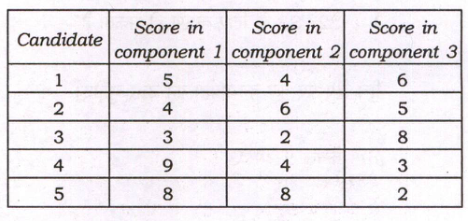
рдПрдХ рднрд░реНрддреА рдкреНрд░рдХреНрд░рд┐рдпрд╛ рдореЗрдВ, рдЕрднреНрдпрд░реНрдерд┐рдпреЛрдВ рдХрд╛ рдЪрдпрди рддреАрди рдШрдЯрдХреЛрдВ рдореЗрдВ рдЙрдирдХреЗ рдкреНрд░рджрд░реНрд╢рди рдкрд░ рдЖрдзрд╛рд░рд┐рдд рд╣реИред рдШрдЯрдХ 1, 2 рдФрд░ 3 рдХреЗ рднрд╛рд░рд╛рдВрдХ (weightages) рдХреНрд░рдорд╢рдГ 0┬╖2, 0┬╖3 рдФрд░ 0┬╖5 рд╣реИрдВред рдиреАрдЪреЗ рджрд┐рдП рдЧрдП рдЖрдБрдХрдбрд╝реЛрдВ рдХрд╛ рдЙрдкрдпреЛрдЧ рдХреАрдЬрд┐рдП рдФрд░ рдпрджрд┐ рд╕рдЯреАрдХ рд░реВрдк рд╕реЗ рддреАрди рдЕрднреНрдпрд░реНрдерд┐рдпреЛрдВ рдХрд╛ рдЪрдпрди рдХрд┐рдпрд╛ рдЬрд╛рдирд╛ рд╣реИ, рддреЛ рд╡рд┐рдЪреНрдЫреЗрджрдХ (рдХрдЯ-рдСрдл) рдЕрдВрдХ рдЬреНрдЮрд╛рдд рдХреАрдЬрд┐рдП :

рдЕрднреНрдпрд░реНрдереАрдШрдЯрдХ 1 рдореЗрдВ рдЕрдВрдХрдШрдЯрдХ 2 рдореЗрдВ рдЕрдВрдХрдШрдЯрдХ 3 рдореЗрдВ рдЕрдВрдХ
1546
2465
3328
4943
5882
Table of scores of five candidates in components 1, 2 and 3.
From UPSC's question paper.
Read this question in English

In a recruitment process, the selection of candidates is based on their performance in three components. The weightages of the components 1, 2 and 3 are 0.2, 0.3 and 0.5, respectively. Use the data given below and find the cutoff score if exactly three candidates are to be selected:

(a) 5.1 ┬╖ (b) 5.2 ┬╖ (c) 5.3 ┬╖ (d) 5.4

рдЙрддреНрддрд░ рдФрд░ рд╡реНрдпрд╛рдЦреНрдпрд╛ ┬╖ explanation in English

Answer: (a) 5┬╖1

Weighted scores are 5┬╖2, 5┬╖1, 5┬╖2, 4┬╖5 and 5┬╖0 for candidates 1 to 5. The top three are 5┬╖2, 5┬╖2 and 5┬╖1, so a cutoff of 5┬╖1 selects exactly three.

  1. Candidate 1: 0┬╖2 ├Ч 5 + 0┬╖3 ├Ч 4 + 0┬╖5 ├Ч 6 = 1 + 1┬╖2 + 3 = 5┬╖2.
  2. Candidate 2: 0┬╖8 + 1┬╖8 + 2┬╖5 = 5┬╖1.
  3. Candidate 3: 0┬╖6 + 0┬╖6 + 4 = 5┬╖2.
  4. Candidate 4: 1┬╖8 + 1┬╖2 + 1┬╖5 = 4┬╖5.
  5. Candidate 5: 1┬╖6 + 2┬╖4 + 1 = 5┬╖0.
  6. Ranked: 5┬╖2, 5┬╖2, 5┬╖1, 5┬╖0, 4┬╖5. For exactly three selections the cutoff is 5┬╖1 (a cutoff of 5┬╖2 would select only two).

Remember ┬╖ Weighted score = ╬г(weight ├Ч score). The cutoff is the lowest score among those who must be selected.

Question and answer: UPSC's provisional GS Paper II (2026, Series A) тАФ paper тЖЧ ┬╖ answer key тЖЧ. Explanation: Minimalist IAS, checked 1 Oct 2026 (how we verify). Permalink ┬╖

The Syllabus X-Ray of this topic

1 of its 2 sub-topics is Core

1 Core ┬╖ 1 High ┬╖ 0 Steady ┬╖ 0 Rare

  • Core #6Data sufficiency ┬╖ 38 questions
  • HighTables, charts & graphs ┬╖ 20 questions

The X-Ray ranks all 928 sub-topics of the UPSC syllabus by what UPSC has asked since 2016. The 6 CSAT Core sub-topics are behind 50% of CSAT questions.

See the whole X-Ray тЖТ