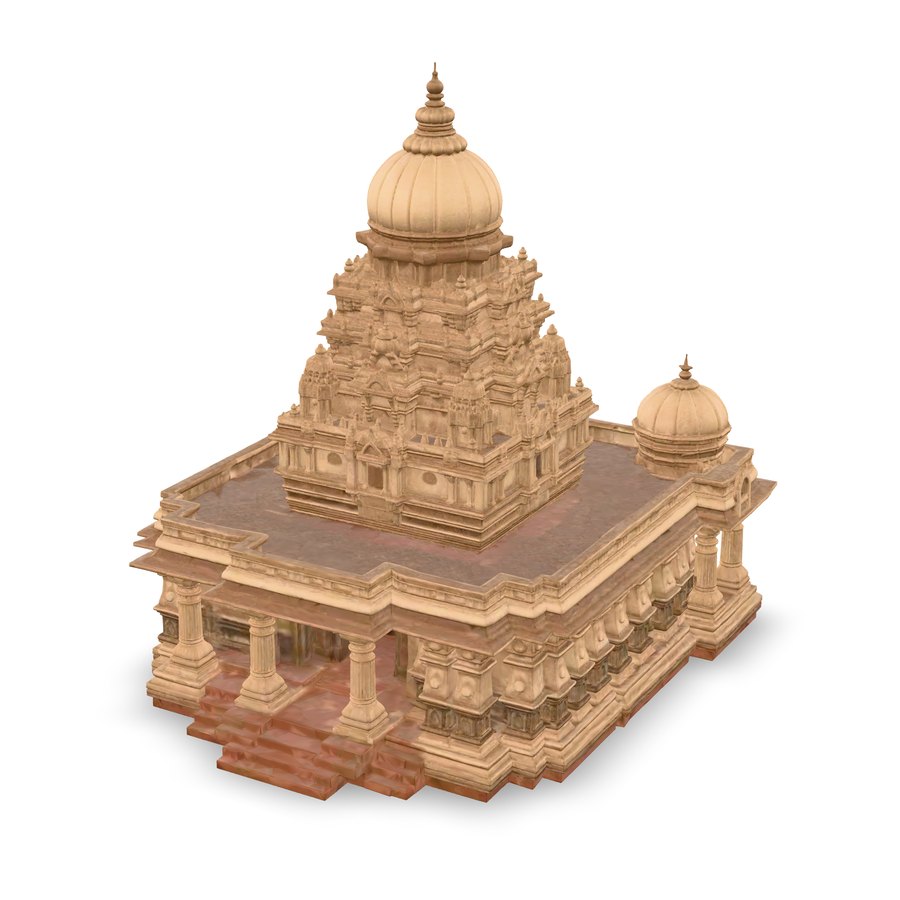
Discuss the main contributions of Gupta period and Chola period to Indian heritage and culture.
Approach · directive: “discuss”
What it asks · Bring out the lasting contributions of each age to art, architecture, literature, science, religion and statecraft, and compare their character.
It asks 2 things — answer each
- Discuss the main contributions of the Gupta period to Indian heritage and culture: art, architecture, literature, science
- Discuss the main contributions of the Chola period: temples, bronzes, literature, village institutions, maritime reach
Open with · The Gupta age set the classical templates of art, Sanskrit letters and science; the Cholas gave temple, bronze and village institutions their mature southern form.
Cover
- Gupta architecture: early structural temples at Deogarh (shikhara, garbhagriha) and brick Bhitargaon.
- Gupta art and letters: Sarnath and Mathura Buddhas, Kalidasa, compilation of Puranas and Dharmashastras.
- Gupta science: Aryabhata and Varahamihira; place-value arithmetic; the Mehrauli iron pillar; fine gold coinage.
- Chola temples: Brihadishvara (Thanjavur), Gangaikondacholisvaram (Rajendra I, completed 1035, 53-m vimana) and Darasuram, UNESCO's Great Living Chola Temples.
- Chola bronzes and bhakti: Nataraja; Nalayira Divyaprabandham as 'Tamil Veda'; Kamban's Ramayana; Tirumurai.
- Chola statecraft: Uttaramerur inscriptions and the kudavolai ballot pot; naval expeditions to Southeast Asia.
- Table comparing the two ages by field.
Close with · The Guptas fixed India's classical idiom; the Cholas, whose temples UNESCO credits with brilliant achievements in architecture, sculpture, painting and bronze casting, carried it south and overseas.
Add value (verified)
- UNESCO's Great Living Chola Temples include Rajendra I's Gangaikondacholisvaram, completed in 1035 with a 53-metre vimana.Great Living Chola Temples — UNESCO World Heritage Centre ↗“The Temple of Gangaikondacholisvaram, built by Rajendra I, was completed in 1035. Its 53-m vimana (sanctum tower) has recessed corners”
- UNESCO credits the Chola temples with brilliant achievements in architecture, sculpture, painting and bronze casting.Great Living Chola Temples — UNESCO World Heritage Centre ↗“The temples testify to the brilliant achievements of the Chola in architecture, sculpture, painting and bronze casting.”
Question: UPSC's CS (Main) 2022, GS Paper I — paper ↗. Approach: Minimalist IAS, checked 16 Oct 2026 (how we verify) — UPSC publishes no model answers. ·
Model answer· 281words · Minimalist IAS
The Gupta age gave north India the classical templates of temple, image, Sanskrit verse and number. Centuries later the imperial Cholas brought southern temple art, bronze casting and village institutions to maturity, so the two together shape much of India's living heritage.
Gupta contributions
- Temple architecture: the fifth-century temple at Deogarh shows an early shikhara over a garbhagriha; the brick temple at Bhitargaon shows the same experiment.
- Sculpture: the serene Buddha images of Sarnath and Mathura fixed an iconographic ideal later Asian art followed.
- Literature: Kalidasa's plays set the standard of classical Sanskrit, while the Puranas and Dharmashastras were compiled in this age.
- Science: Aryabhata and Varahamihira wrote on astronomy and mathematics, including place-value arithmetic; the rust-resistant Mehrauli iron pillar shows metallurgical skill.
- Coinage: gold coins of high artistry portrayed rulers as warriors, musicians and patrons.
Chola contributions
- Dravida temples: Rajaraja built the Brihadishvara at Thanjavur; Rajendra I's Gangaikondacholisvaram, completed in 1035, rises in a 53-metre vimana. With Darasuram, they form UNESCO's Great Living Chola Temples.
- Bronzes: lost-wax images, above all Shiva as Nataraja, mark the summit of Indian metal sculpture.
- Bhakti literature: the Alvars' Nalayira Divyaprabandham was hailed as the Tamil Veda; the Shaiva Tirumurai was canonised and Kamban wrote the Tamil Ramayana.
- Village self-government: tenth-century Uttaramerur inscriptions record village assembly elections by kudavolai, a ballot-pot draw of names.
- Maritime reach: naval expeditions and merchant trade carried Tamil culture to Southeast Asia.
| Field | Gupta | Chola |
|---|---|---|
| Temple | Deogarh | Thanjavur |
| Sculpture | Sarnath Buddha | Nataraja bronze |
| Letters | Kalidasa | Kamban |
The Guptas fixed India's classical idiom; the Cholas, whose temples testify, in UNESCO's words, to "brilliant achievements of the Chola in architecture, sculpture, painting and bronze casting", carried it south and across the seas.
Prepared by Minimalist IAS to the answer standard of Shivam Singh (mentor, 7 years) · facts checked against official sources (how we verify) · updated 16 Oct 2026. UPSC publishes no model answers: compare your structure and coverage with this, then write your own.