Indian philosophy and tradition played a significant role in conceiving and shaping the monuments and their art in India. Discuss.
Approach · directive: “discuss”
What it asks · Show how cosmology, dharma, ritual and devotion, and the Vastu and Shilpa texts shaped the plan, form and iconography of monuments across religions and periods.
It asks 3 things — answer each
- Discuss how philosophy and tradition shaped the conception of monuments: cosmology, plan and form
- Discuss how they shaped the art of monuments: sculpture, narrative and iconography
- Discuss synthesis across faiths and the limits: other forces that also shaped monuments
Open with · Indian monuments give stone form to ideas of the cosmos, dharma, devotion and paradise; these ideas shaped both their plan and their decoration.
Cover
- Stupa as cosmos: Sanchi's anda, harmika and chhatra mark the world axis; the pradakshinapatha turns walking into worship.
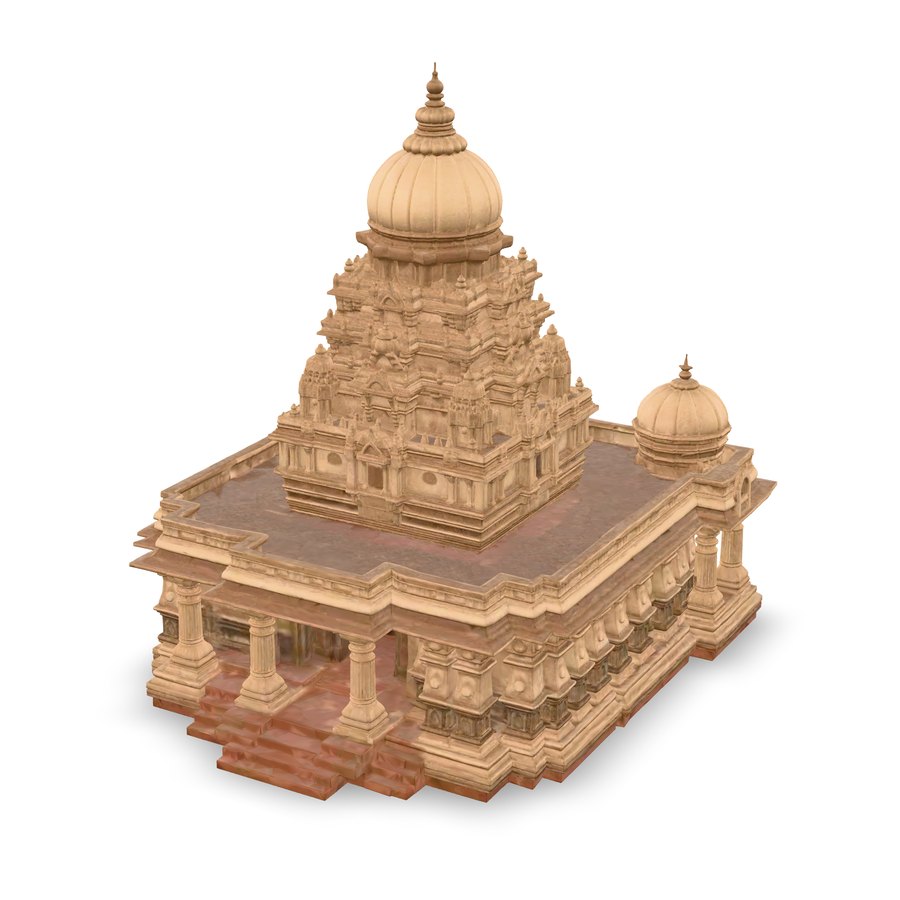
- Temple as cosmic mountain: Vastupurusha mandala plan, garbhagriha as womb-chamber, shikhara or vimana as Mount Meru.
- Kingship and devotion: Rajaraja Chola's Brihadeswara at Thanjavur; Konark (c. 1240) as Surya's stone chariot.
- Jain ideals at Mount Abu and Ranakpur: tirthankara images, renunciation and merchant patronage.
- Art: aniconic symbols and Jataka panels at Sanchi; Elephanta's Maheshmurti; Chola bronze Nataraja rooted in Nayanar bhakti.
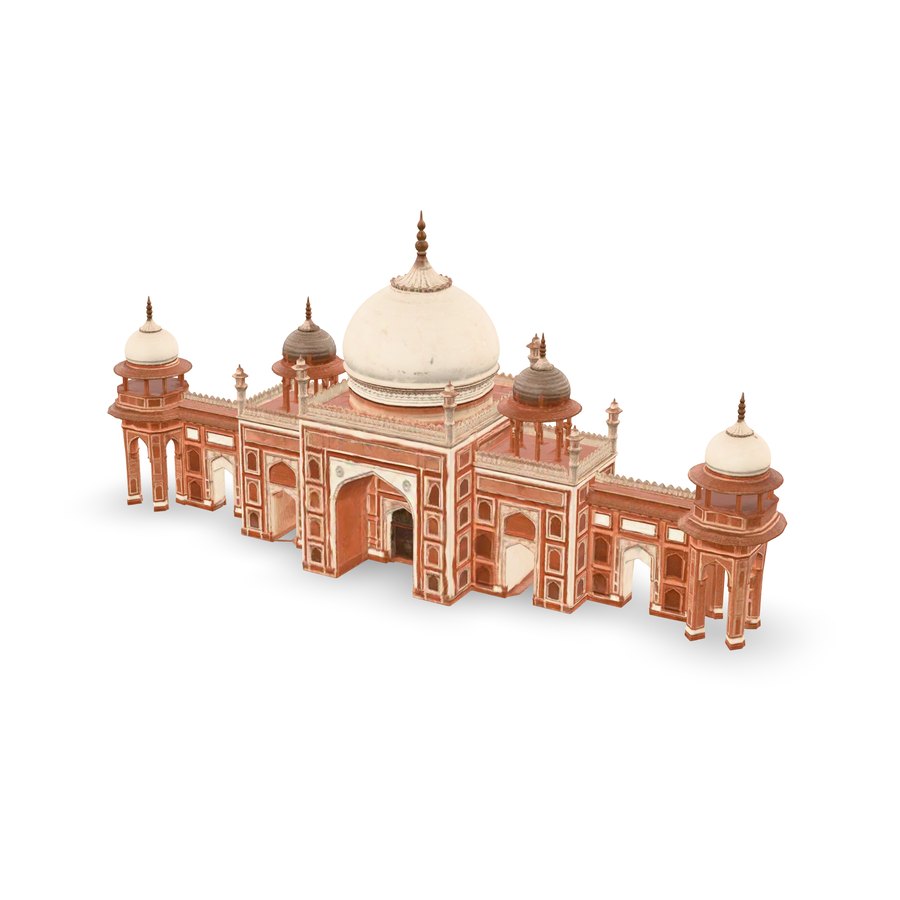
- Synthesis: Humayun's tomb in a charbagh; Fatehpur Sikri's Indian motifs under Akbar's sulh-i kul.
- Limits: patrons, guilds, local stone and technology also decided scale and style.
Close with · UNESCO ranks Sanchi among the oldest, most mature examples of aniconic art and reads Konark as the Sun's chariot crossing the heavens: Indian monuments are philosophy one can walk around.
Add value (verified)
- UNESCO's World Heritage listing describes the Sanchi monuments as among the oldest and most mature examples of aniconic art, documenting Buddhism over many centuries.Buddhist Monuments at Sanchi — UNESCO World Heritage Centre ↗“are among the oldest and most mature examples of aniconic arts and free-standing architecture”
- UNESCO describes the Konark Sun Temple as a chariot of the Sun God with twelve pairs of wheels drawn by seven horses.Sun Temple, Konârak — UNESCO World Heritage Centre ↗“the temple represents a chariot of the Sun God, with twelve pairs of wheels drawn by seven horses evoking its movement across the heavens”
Question: UPSC's CS (Main) 2020, GS Paper I — paper ↗. Approach: Minimalist IAS, checked 16 Oct 2026 (how we verify) — UPSC publishes no model answers. ·
Model answer· 356words · Minimalist IAS
Indian monuments were seldom built for use alone: the stupa, the cave shrine, the temple and the tomb give stone form to ideas of the cosmos, dharma, devotion and paradise. These ideas shaped both how monuments were conceived and how they were adorned.
Philosophy in conceiving monuments
- Stupa as cosmos: at Sanchi the hemispherical anda carries a harmika and chhatra, marking the axis of the world; the pradakshinapatha turns walking into worship.
- Temple as cosmic mountain: the Vastupurusha mandala of the Shilpa texts fixes the plan; above the dark garbhagriha rises the northern shikhara or southern vimana, an image of Mount Meru.
- Kingship and devotion: Rajaraja Chola's Brihadeswara at Thanjavur joins Shaiva devotion to royal power; Konark (mid-13th century) turns a whole temple into Surya's chariot on twelve pairs of wheels.
- Jain ideals: the marble temples of Mount Abu and fifteenth-century Ranakpur, with calm tirthankara images, express renunciation and the piety of merchant patrons.
| Idea | Built form | Site |
|---|---|---|
| Cosmic axis | Anda, harmika, chhatra | Sanchi |
| Cosmic mountain | Vimana over garbhagriha | Thanjavur |
| Sun's journey | Temple as stone chariot | Konark |
| Paradise garden | Charbagh around tomb | Humayun's tomb |
Philosophy in their art
- Aniconism and narrative: early Sanchi art shows the Buddha through symbols, not the human form; its gateway panels tell Jatakas such as the Vessantara Jataka of a prince who gave everything away, teaching generosity.
- Shaiva theology: the early sixth-century Maheshmurti at Elephanta shows Shiva's central face flanked by Bhairava and Uma, his fierce and gentle aspects in one image.
- Bhakti in bronze: Chola bronzes of Shiva as Nataraja reflect the devotion of the Nayanar saints, whose own metal images were carried in festival processions.
Synthesis and limits
- Indo-Islamic adaptation: Humayun's tomb sits in a charbagh, the ordered garden of paradise; Indo-Islamic builders integrated local features such as jharokhas and chhatris, a synthesis echoed in Akbar's sulh-i kul.
- Not philosophy alone: patrons, guilds, local stone, climate and technology also decided scale and style; philosophy gave meaning, craft gave form.
UNESCO ranks Sanchi among the oldest, most mature examples of aniconic art and reads Konark as the Sun's chariot crossing the heavens: Indian monuments are philosophy one can walk around.
Prepared by Minimalist IAS to the answer standard of Shivam Singh (mentor, 7 years) · facts checked against official sources (how we verify) · updated 16 Oct 2026. UPSC publishes no model answers: compare your structure and coverage with this, then write your own.